Pilot Sites & Use Cases
The ROMEO multisensory system is designed to perform reliably across diverse marine environments. To ensure this, the project includes four representative pilot deployments — in the Mediterranean Sea, Black Sea, Turkish aquaculture waters, and the Atlantic Ocean (Guanabara Bay, Brazil) — each targeting different environmental conditions, monitoring needs, and stakeholder requirements.
These pilots serve as real-world testbeds to validate the system’s detection accuracy, autonomous deployment capabilities, data quality, and relevance for environmental policy and management.
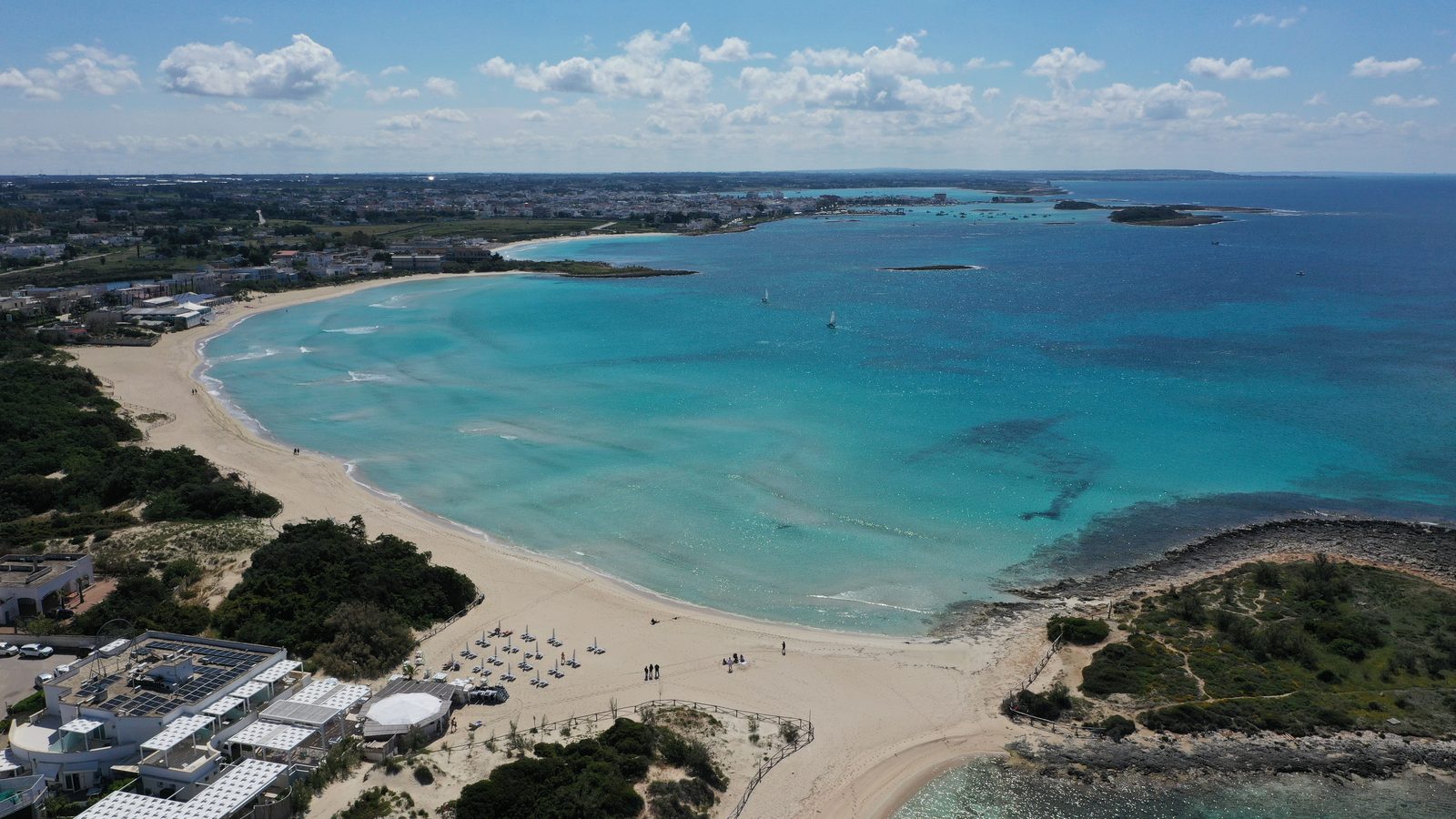
Mediterranean Sea — Porto Cesareo MPA, Italy
The Marine Protected Area of Porto Cesareo, managed by PCMPA, is one of the largest and most ecologically valuable MPAs in the Mediterranean Sea. It serves as the primary testing and demonstration site for the ROMEO technology under real operational conditions.
Within this pilot, the ROMEO multisensory system is deployed on boats for field measurements, targeting the detection of microplastic pollution and the assessment of ecosystem health indicators including diatom populations and water quality parameters.
PCMPA brings strong expertise in marine environmental monitoring, biodiversity assessment, scientific diving, and GIS-based analysis. The pilot ensures that ROMEO’s outputs are directly applicable for decision-making in marine conservation, aligned with EU environmental policies such as the Marine Strategy Framework Directive (MSFD) and the Water Framework Directive (WFD).
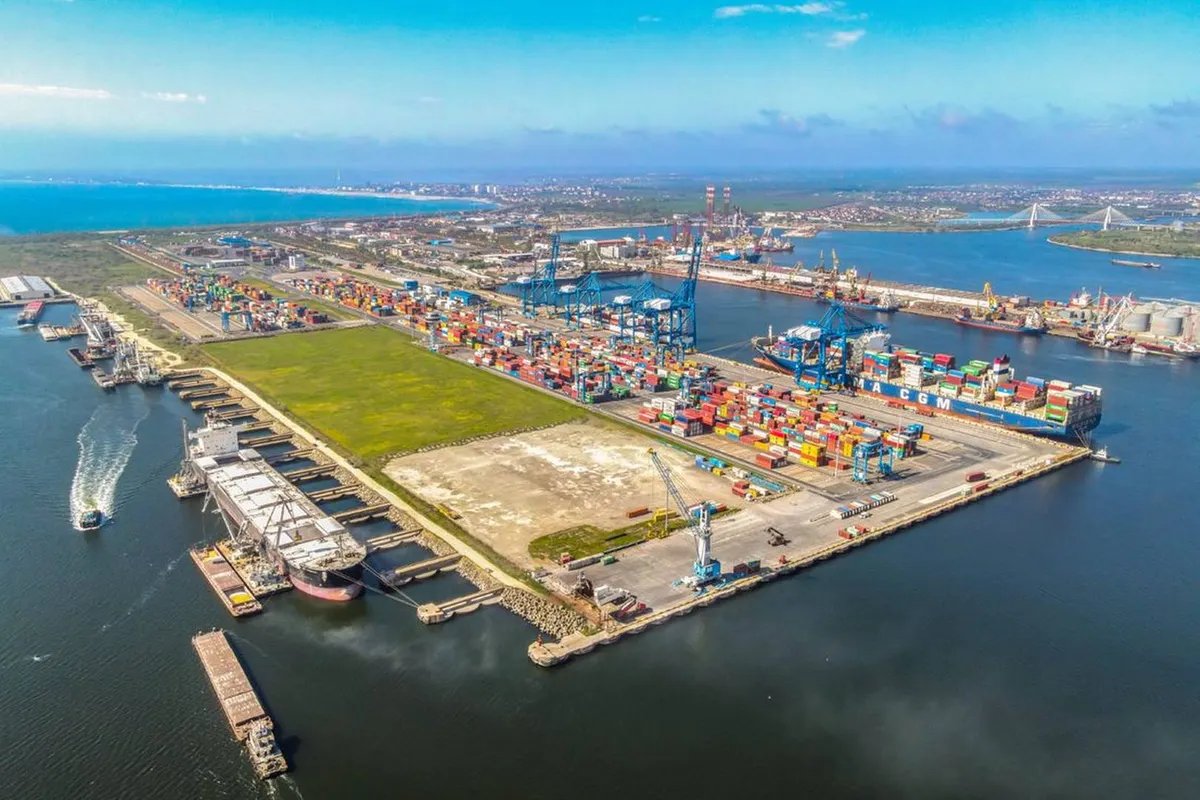
Black Sea — Romania
The Black Sea pilot focuses on environmental telemetry and IoT-based water quality monitoring, leveraging BEIA’s extensive experience in environmental sensing, communication systems, and field deployment.
BEIA brings expertise from over 50 R&D projects in the blue economy, including water quality management, IoT monitoring infrastructures, and time-critical communication technologies. In this pilot, BEIA acts as the system integrator for water quality telemetry, ensuring reliable, real-time data transmission from the ROMEO multisensory platform to cloud-based analytics.
The Black Sea environment presents unique challenges including varying salinity, pollution loads, and complex coastal dynamics — providing a rigorous testbed for the system’s adaptability and communication robustness.
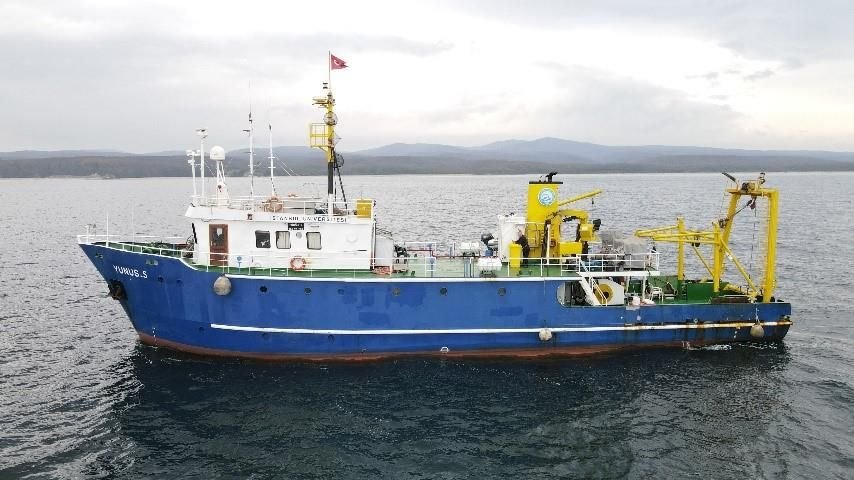
Aquaculture Environments — Turkey
Istanbul University’s Faculty of Aquatic Sciences leads the assessment of the ROMEO system in Turkish aquaculture environments. The system is deployed on autonomous sailboats around officially designated fish farming locations to monitor water quality, diatom populations, and microplastic contamination in real time.
This pilot provides a unique real-world testbed where the ROMEO system is evaluated under realistic aquaculture scenarios. Istanbul University’s expertise in aquaculture systems, fish health, and aquatic ecosystem monitoring ensures that the system’s detection algorithms are refined for both microplastics and diatoms in conditions directly relevant to food production and aquatic sustainability.
The aquaculture pilot validates ROMEO’s ability to provide actionable data that can prevent negative impacts on fish health and productivity, supporting evidence-based management strategies for sustainable aquaculture.
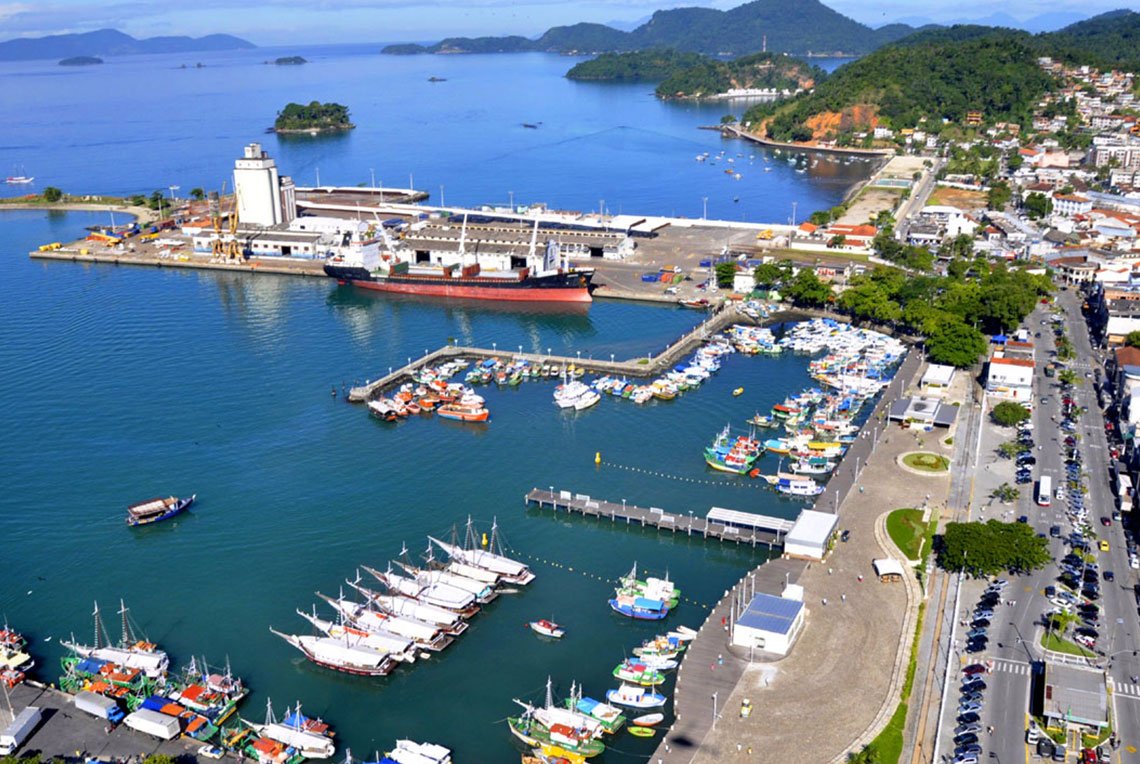
Atlantic Ocean — Guanabara Bay, Brazil
The Atlantic Ocean pilot is located in Guanabara Bay, a coastal marine protected area in Brazil. Field activities at this site are led by the Federal Fluminense University (UFF), with the ROMEO system tested using both autonomous sailboats and conventional vessels.
The autonomous sailboats operate using wind and solar energy, allowing for low-noise and sustainable navigation. During deployment, they collect georeferenced environmental data and water samples, while onboard AI algorithms continuously interpret environmental conditions in real time. Collected data feed into an interactive digital twin platform that enables continuous monitoring and assessment of aquatic ecosystems, identifying key environmental pressures such as water pollution and overfishing.
By analyzing large datasets, the system supports improved environmental management and decision-making — contributing to better forecasting models, early warning systems, and more effective mitigation and adaptation strategies. The collected data will be made openly available to the scientific community, demonstrating how autonomous, low-impact monitoring technologies can protect biodiversity and strengthen the sustainable management of marine ecosystems.